Home » Insights » Printing & Paper Knowledge » Cost of Printing Books in Uganda
Cost of Printing Books in Uganda: A Complete Guide for Authors and Organizations

Understanding the cost of printing books in Uganda is one of the most important steps for authors, organisations, and institutions preparing publications especially those producing textbooks, training manuals, reports, or commercial books. Printing costs directly affect your budget, project planning, and final output quality.
Many clients approach printing with a fixed budget but without a clear understanding of what determines the final cost. As a result, they may either overspend or compromise on quality. Through professional book printing in Uganda, it becomes possible to align cost, quality, and production requirements effectively. This guide explains the real factors that influence printing costs in Uganda, helping you make informed decisions and avoid unnecessary expenses. To explore related knowledge insights.

What Determines the Cost of Printing Books in Uganda
The cost of printing books in Uganda is not defined by a single price point but by a combination of technical and production variables that interact throughout the printing process. Many clients initially expect a standard rate per book, yet in reality, printing costs are dynamic and depend on how a project is structured from preparation to final production.
In professional printing services in Uganda, pricing is influenced by several interconnected elements including the physical size of the book, the total number of pages, the type and weight of paper selected, the printing method used, the binding style, and the quantity being produced. Each of these factors contributes incrementally to the overall cost, meaning that even small adjustments in one area can significantly affect the final budget.
For example, a short-run project printed using digital technology may appear affordable at first but becomes expensive on a per-unit basis. On the other hand, large-volume printing using offset methods requires higher initial setup but dramatically reduces the cost per copy as production increases. Understanding this relationship allows clients to plan strategically rather than react to pricing after the fact.
This structured approach to book printing in Uganda ensures that cost is not just controlled but optimised, balancing affordability with quality and durability.
Learn more about digital printing and offset printing services.
Quantity and Print Volume
Quantity is one of the most decisive cost drivers in any printing project. The relationship between volume and cost follows a predictable pattern where the cost per unit decreases as the number of copies increases. This principle is central to bulk printing in Uganda, where economies of scale significantly reduce overall expenditure. When printing in small quantities, digital printing is typically used because it does not require setup processes such as plate creation. However, the absence of setup costs comes with a trade-off, as the cost per copy remains relatively high regardless of quantity. This makes digital printing suitable for short runs, prototypes, or pilot publications.
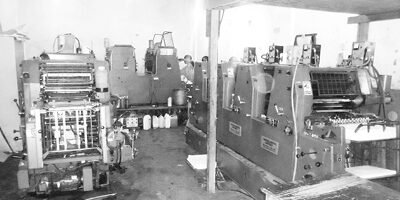
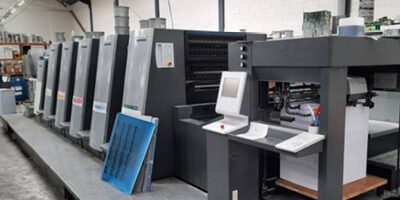
In contrast, offset printing involves initial setup costs but becomes increasingly efficient as volume rises. Once the setup is complete, each additional copy costs significantly less to produce. This is why organisations printing large numbers of books, manuals, or reports often choose offset printing as the most cost-effective solution. Many institutions in Uganda reduce long-term costs by consolidating their printing needs into a single large print run rather than producing multiple smaller batches. This approach not only lowers costs but also ensures consistency across all printed materials.
Number of Pages
The number of pages in a book directly affects both material usage and production time, making it a key factor in determining overall printing costs. Every additional page increases the amount of paper required and contributes to longer printing and finishing processes. In book printing in Uganda, page count also influences structural considerations such as binding strength and spine thickness. Books with higher page counts require stronger binding methods to ensure durability, particularly for materials intended for frequent use such as training manuals or academic textbooks.
Additionally, page count affects layout efficiency. Well-structured documents that optimise spacing, margins, and formatting can reduce unnecessary page increases. This is where professional document layout preparation plays a critical role in managing costs without compromising readability.
By carefully reviewing and optimising page count during the desktop publishing stage, clients can significantly reduce printing expenses while maintaining professional presentation.
Paper Type and GSM
Paper selection is one of the most impactful cost factors in printing. The choice of paper determines not only the price but also the durability, readability, and overall perception of the final product. In printing paper types in Uganda, GSM (grams per square meter) is used to measure paper thickness and weight. Lower GSM papers are lighter and more cost-effective, while higher GSM papers are thicker, more durable, and more expensive.
Uncoated paper is commonly used for interior pages in books because it provides excellent readability and is cost-efficient for large volumes. Coated paper, often used for covers, enhances colour vibrancy and provides a more polished finish but increases overall production costs. Selecting the right paper involves balancing function and budget. For example, training manuals used frequently may require slightly heavier paper for durability, while reports intended for short-term use can utilise lighter paper to reduce costs. Proper paper selection ensures that the final publication meets both practical and financial requirements.
Printing Method (Digital vs Offset)
The choice between digital and offset printing is a major determinant of cost and should be aligned with the scale and purpose of the project. Digital printing offers flexibility and is ideal for short runs, as it eliminates setup costs and allows for quick production. However, the cost per unit remains relatively high, making it less suitable for large-scale projects.
Offset printing, on the other hand, involves preparation processes such as plate creation but delivers superior cost efficiency for high-volume printing. It also provides consistent quality across large print runs, making it the preferred method for books, manuals, and institutional publications.
To understand this better, explore digital vs offset-printing insights. Choosing the correct printing method ensures that production costs are aligned with project goals.
Book Size and Format
Book size plays a subtle but important role in cost determination. Standard sizes are typically more economical because they optimise paper usage during printing. This reduces waste and improves production efficiency. Non-standard sizes, while sometimes necessary for design or branding purposes, may lead to increased costs due to inefficient paper utilisation and additional setup requirements. In professional book printing in Uganda, selecting a standard format where possible helps maintain cost efficiency without compromising on design or usability.
Binding Method
Binding determines how the book is assembled and has a direct impact on both durability and cost. The choice of binding should reflect the intended use of the document. Perfect binding is widely used for books and provides a clean, professional finish. Saddle stitching is suitable for smaller publications with fewer pages, while spiral binding is commonly used for manuals that require ease of handling and frequent reference. In book printing services in Uganda, stronger binding methods may increase initial costs but provide long-term value by improving durability and usability.
Colour vs Black and White Printing
The use of colour significantly affects printing costs. Colour printing requires additional ink and processing, making it more expensive than black and white printing. Books that rely heavily on images, illustrations, or visual design elements benefit from colour printing, while text-based publications can reduce costs by using black and white. Balancing visual requirements with budget constraints is essential in determining the most appropriate printing approach.
Pre-Press and File Preparation
Pre-press preparation is a critical stage that directly influences both cost and quality. Poorly prepared files often result in errors, reprints, and delays, all of which increase overall costs. Through desktop publishing Uganda, documents are professionally formatted to meet printing standards before production begins. This includes layout structuring, typography consistency, margin alignment, and file validation.
Explore desktop-publishing services. Proper preparation eliminates avoidable errors and ensures a smooth transition into printing.
Estimated Cost Ranges in Uganda
While exact pricing varies depending on project specifications, general patterns can be observed. Small print runs tend to have higher unit costs, while large print runs benefit from reduced per-unit pricing. Books printed using digital methods may cost significantly more per copy in small quantities, whereas offset printing offers substantial cost savings for bulk production. For accurate estimates, it is always advisable to request a detailed quotation based on your specific requirements.
How to Reduce Book Printing Costs
Reducing printing costs requires a strategic approach rather than cutting corners. Careful planning at the early stages of a project allows for better decision-making and cost control. Optimising page count, selecting appropriate paper, choosing the correct printing method, and consolidating print volumes are effective ways to manage expenses. Working with experienced professionals ensures that cost-saving opportunities are identified without compromising quality.
Cost Considerations for NGOs and Institutions in Uganda
NGOs and institutions often manage large-scale printing projects involving manuals, reports, and training materials. These projects require a balance between cost efficiency and durability. Through structured institutional printing services Uganda, organisations can achieve consistent results while maintaining budget control. Bulk printing, proper planning, and professional guidance are essential in ensuring that materials meet both functional and financial requirements.
Why Professional Printing Saves Money
Attempting to reduce costs through shortcuts often leads to greater expenses in the long run. Errors in formatting, poor material selection, and inefficient production processes result in reprints and wasted resources. Professional printing ensures that every stage of the process is handled correctly, from preparation to final production. This reduces waste, improves efficiency, and ultimately lowers overall costs.
How Njagi Creative Helps You Manage Printing Costs
Njagi Creative provides a structured approach to managing printing costs by combining expertise in desktop publishing Uganda with professional production processes. Each project is carefully planned to align cost, quality, and purpose. Clients receive guidance on paper selection, layout preparation, printing methods, and production strategies, ensuring that resources are used efficiently and results meet professional standards.
Explore our book printing services.

About the Author Nsenga Peter Daniel
Nsenga Peter Daniel is a desktop publishing consultant with over 20 years of experience in printing systems, book layout design, and institutional document preparation in Uganda. Through Njagi Creative, he has worked on books, manuals, reports, and institutional publications, helping organisations improve clarity, structure, and print quality. His expertise in typography, layout, and document formatting supports clients in producing professional and print-ready materials. Follow on Linkedin.
Frequently Asked Questions About the Cost of Printing Books in Uganda
What is the average cost of printing books in Uganda
The cost of printing books in Uganda varies depending on several production factors including quantity, number of pages, paper type, printing method, and binding style. There is no fixed price because each project is unique. For example, printing a small number of books using digital printing may result in a higher cost per copy, while large-volume printing using offset printing significantly reduces the cost per unit.
To get an accurate estimate, it is always recommended to request a quotation based on your specific requirements through our contact
How can I reduce book printing costs in Uganda
Is digital printing cheaper than offset printing in Uganda
How much does it cost to print one book in Uganda
Do I need professional formatting before printing a book
What paper is best for reducing printing costs
Why does printing in bulk reduce cost
Which printing method is faster?
Can poor file preparation increase printing costs
Estimate the cost of Printing books in Uganda with Njagi Creative
Need an accurate cost estimate for your book. Share your project details and receive a professional quotation tailored to your printing requirements.
For global standards and best practices in document preparation and printing, Explore Adobe Creative Guide or ISO Standards