
How to Prepare a Book for Printing in Uganda

Preparing a book for printing is one of the most critical stages in the publishing process. Before a manuscript becomes a physical book, it must go through structured preparation to ensure clarity, consistency, and professional presentation. In Uganda, many authors and organisations focus on writing content but overlook the importance of proper formatting and preparation. This often results in books that appear unstructured, difficult to read, or inconsistent when printed.
Through professional desktop publishing in Uganda, a manuscript is transformed into a well-organised publication that meets printing standards. Preparing a book involves more than arranging text. It requires careful attention to layout, typography, margins, spacing, and technical file preparation. Each of these elements contributes to how the final book will look and feel.
If you are starting your publishing journey, explore the full guide hub

Understanding How to Prepare a Book for Printing in Uganda
Book preparation refers to the process of converting a manuscript into a print-ready document. This includes structuring content, formatting text, and ensuring that all elements are aligned for printing.
In book printing in Uganda, preparation is essential because printing reproduces exactly what is provided. Any formatting issues in the manuscript will appear in the final book. Proper printing file preparation in Uganda ensures that these issues are resolved before production begins.
Structuring the Manuscript
Before formatting begins, the manuscript must be carefully structured into logical and consistent sections. This involves organising chapters, defining headings and subheadings, and ensuring that the content follows a clear and coherent sequence. A well-structured manuscript allows readers to move through the book without confusion and supports the overall readability of the publication.
Through proper publication formatting in Uganda, content is arranged in a way that reflects hierarchy and logical progression. Each section of the book should connect naturally to the next, creating a seamless reading experience. This is particularly important for educational books, training manuals, and institutional publications where clarity of information is critical.
Without proper structuring, even high-quality content can appear fragmented or difficult to follow. A structured manuscript ensures that the foundation of the book is strong before moving into detailed layout and formatting.
Book Layout Design
Book layout design determines how content is presented on each page and how readers interact with the material. It involves the placement of text, the balance of white space, and the alignment of elements to create a visually stable and readable page.
Through professional book layout design in Uganda, pages are structured to maintain consistency across the entire publication. This includes setting uniform margins, aligning text blocks, and ensuring that spacing between paragraphs and sections remains consistent. A well-designed layout prevents text from appearing crowded or uneven, which can negatively affect readability.
Layout design also considers how the book will be physically handled. Proper spacing and alignment ensure that the content remains accessible even after binding. Books with poor layout often feel difficult to read, while well-designed pages guide the reader naturally through the content.
Learn more about layout principles.
Typography for Books
Typography plays a central role in how a book is experienced by the reader. It determines not only how text looks on the page but also how easily it can be read over extended periods. Typography includes font selection, font size, spacing, and the organisation of headings and body text. Through professional typography rules for printing in Uganda, fonts are selected and applied consistently throughout the document. Body text is typically designed for readability, while headings create structure and guide the reader through the content. Consistency in typography ensures that the book maintains a professional appearance across all pages.
Poor typography can lead to reader fatigue, confusion, and reduced engagement. On the other hand, well-applied typography enhances clarity and makes the reading experience more comfortable. In books intended for education or training, proper typography is essential for effective communication.
Explore typography rules.
Margins and Page Setup
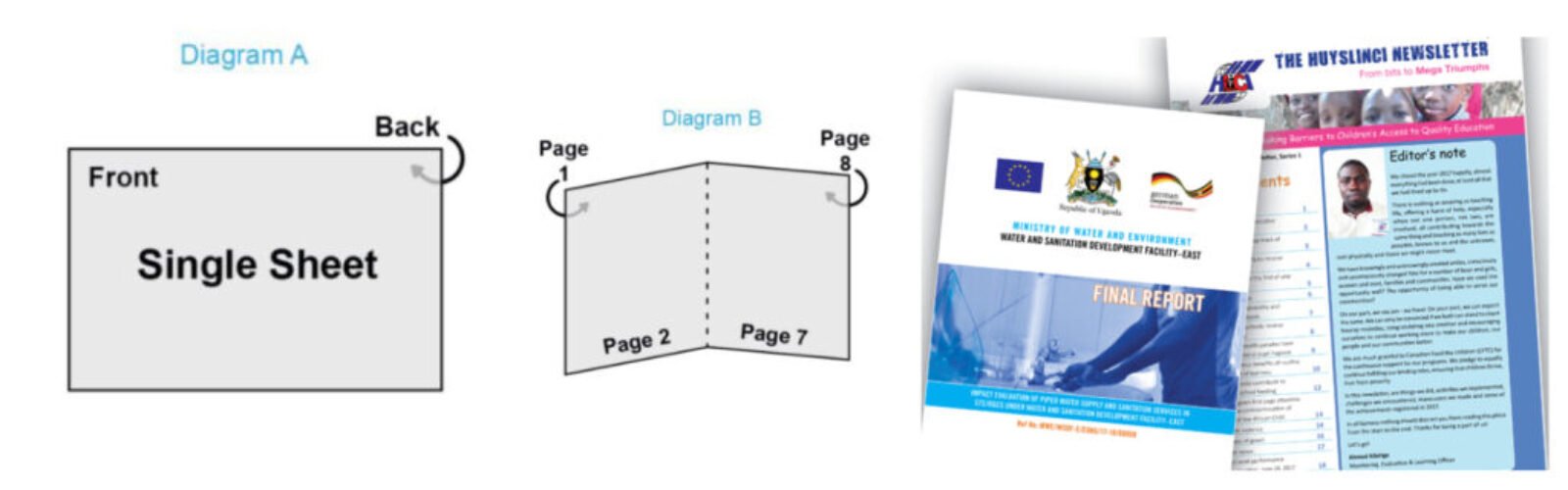
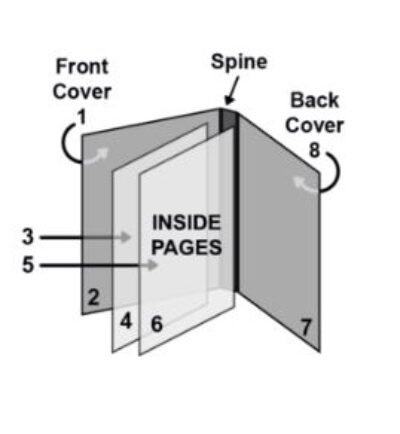
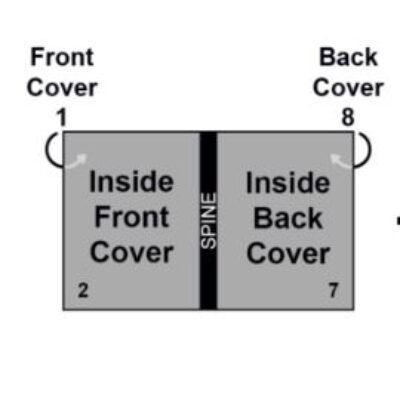
Margins and page setup are fundamental to how a book is printed and bound. Margins define the space around the text and ensure that content is not cut off during trimming or hidden within the binding. Through proper manual formatting for printing in Uganda, margins are adjusted to accommodate the binding process while maintaining readability. The inner margin, also known as the gutter, must be wide enough to prevent text from being lost near the spine of the book. Outer margins provide visual balance and improve the reading experience.
Page setup also includes defining the correct page size and orientation. These settings must be established at the beginning of the formatting process to avoid layout disruptions later. Incorrect margins and page setup are among the most common causes of printing errors, making this stage critical in book preparation.
Images and Graphics in Books
Images and graphics play an important role in enhancing the content of a book. They provide visual support, clarify complex information, and improve engagement. However, they must be carefully integrated into the layout to maintain balance and clarity. Through professional desktop publishing in Uganda, images are positioned in alignment with the text and scaled appropriately for the page. High-resolution images are essential to ensure that visuals appear sharp and clear when printed. Low-quality images can result in blurred or pixelated output, which reduces the overall quality of the book.
Proper placement of images ensures that they support the content without disrupting the flow of text. In training manuals and educational books, well-integrated visuals can significantly improve understanding and retention.
Preparing a Print-Ready File
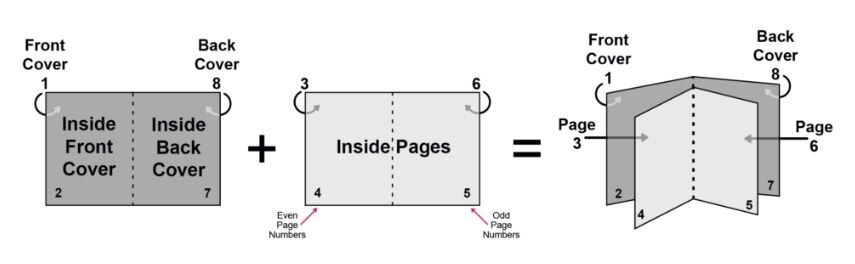
Once formatting is complete, the document must be converted into a print-ready file that can be used for production. This is one of the most technical stages of book preparation, as it ensures that the file meets all printing requirements. Through print ready PDF in Uganda, the document is exported in a format that preserves layout, typography, and image quality. This includes embedding fonts, setting correct margins, and ensuring that all elements are properly aligned. A print-ready file guarantees that the book will be printed exactly as designed.
Without proper file preparation, issues such as missing fonts, layout shifts, and incorrect alignment may occur during printing. A well-prepared print-ready file eliminates these risks and ensures consistent results.
Pre-Press Checks and Validation
Before printing begins, the document must undergo pre-press checks to verify that all elements are correctly prepared. This stage ensures that the file is free from errors and ready for production. Through printing file preparation in Uganda, pre-press validation involves checking layout consistency, image resolution, font embedding, and overall file integrity. These checks help identify issues that may not be visible during initial formatting.
Pre-press preparation is essential for avoiding costly mistakes during printing. Once a book enters production, errors become difficult and expensive to correct. Proper validation ensures that the final output meets professional standards.
Follow For standards
Choosing the Right Printing Method
Selecting the appropriate printing method is an important decision in book production. The choice depends on factors such as quantity, budget, and intended use of the book. Through professional printing services in Uganda, books can be produced using digital printing for short runs or offset printing for large volumes. Digital printing is suitable for smaller quantities and faster turnaround, while offset printing provides cost efficiency and consistency for bulk production.
Understanding the differences between these methods ensures that the book is produced using the most suitable approach. Choosing the wrong method can affect both cost and quality, making this step an important part of the preparation process.
Learn more about digital printing and offset printing.
Common Mistakes in Book Preparation
Many authors and organisations encounter challenges when preparing books for printing.
These often include inconsistent formatting, poor typography, incorrect margins, and low-quality images. Such issues can significantly affect the readability and presentation of the final book. In printing file preparation in Uganda, these mistakes are often the result of using basic tools without proper formatting guidelines. Documents created by multiple contributors may also lack consistency across chapters and sections.
Professional preparation addresses these challenges by applying structured formatting and validation processes. Identifying and correcting errors before printing ensures that the final publication meets professional standards.
How Professional Preparation Improves Book Quality
Professional preparation transforms a manuscript into a polished and print-ready publication. It ensures that all elements of the book, including layout, typography, and formatting, are aligned and consistent.
Through desktop publishing in Uganda and book printing in Uganda, proper preparation enhances readability, improves visual presentation, and ensures that the book performs well in real-world use. Books that are professionally prepared are easier to read, more durable, and more effective in communicating their content.
Investing in proper preparation not only improves the quality of the book but also reflects the credibility of the author or organisation. A well-prepared book stands out as a professional and reliable publication.

About the Author Nsenga Peter Daniel
Nsenga Peter Daniel is a desktop publishing consultant and printing specialist with over 15 years of experience in document preparation and professional printing systems in Uganda. Through Njagi Creative, he has worked on books, manuals, reports, and institutional publications, helping organisations improve clarity, structure, and print quality. His expertise in typography, layout, and document formatting supports clients in producing professional and print-ready materials. Follow on Linkedin.
Frequently Asked Questions About Preparing a Book for Printing in Uganda
What does it mean to prepare a book for printing?
Preparing a book for printing involves converting a manuscript into a structured, formatted, and technically ready document that can be produced without errors. This includes organising chapters, applying consistent typography, setting margins, and creating a print-ready file. In the context of prepare a book for printing in Uganda, this process ensures that the final book is readable, professionally presented, and suitable for printing. Without proper preparation, formatting issues such as inconsistent spacing, poor alignment, and incorrect margins will appear in the final printed version.
To understand the full printing workflow and services involved, visit
Why is it important to prepare a book before printing?
What is the best file format for printing a book?
Can I print a book directly from Microsoft Word?
How do I choose the correct page size for my book?
What margins should I use when preparing a book?
How important is typography in book preparation?
Can images and graphics be included in a book?
What are the most common mistakes when preparing a book for printing?
How long does it take to prepare a book for printing?
Should I hire professional services to prepare my book?
Work With Njagi Creative
Njagi Creative provides professional book printing in Uganda and desktop publishing in Uganda services to ensure that your book is properly prepared and printed. Need help preparing your document for printing Share your project details and get professional support.
For global standards and best practices in document preparation and printing, Explore Adobe Creative Guide or ISO Standards