
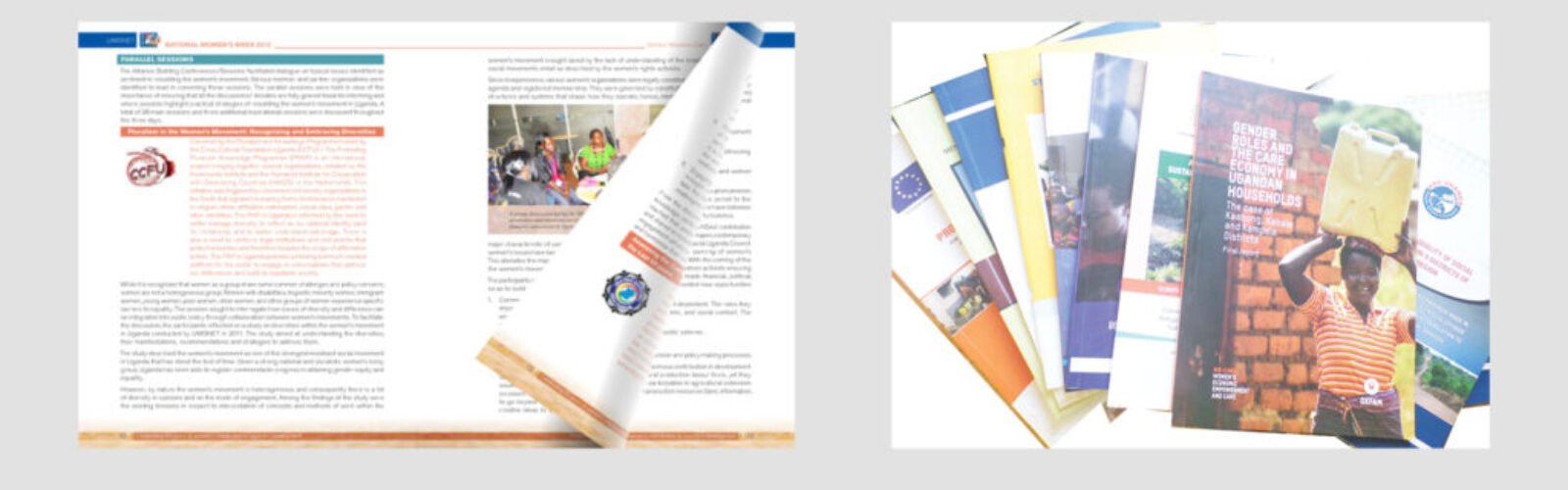
Desktop Publishing in Uganda Explained for Professional Printing

Desktop publishing in Uganda is the foundation of every professionally printed document. Before a book is printed, before a report is bound, and before a manual is distributed, there is a critical stage where the document is structured, formatted, and prepared for production. This stage known as desktop publishing determines how your document will look, feel, and perform once printed. It influences readability, consistency, and overall presentation.
Many organisations assume that typing content into a document is enough. However, without proper document layout preparation, even well written content can appear disorganised and unprofessional. Through structured desktop publishing and printing in Uganda, documents are transformed into refined publications that meet both visual and technical printing standards.
If you are preparing any publication, begin with the full guide hub: or explore the broader resource center.


What Is Desktop Publishing
Desktop publishing refers to the process of designing and formatting documents using structured layout techniques to prepare them for printing or digital distribution. It involves combining text, images, spacing, and layout into a unified visual system.
Unlike basic word processing, desktop publishing services in Uganda focus on precision. It is not just about placing content it is about controlling how that content is experienced.
Typography, alignment, margins, and hierarchy are carefully structured to ensure clarity and consistency across every page.
Professional desktop publishing ensures that documents move seamlessly into printing services in Uganda without requiring costly corrections or redesign.
Explore our professional desktop publishing in detail.
Why Desktop Publishing in Uganda Matters in Printing.
The final quality of any printed material is determined long before it reaches the press. Poor formatting leads to inconsistent spacing, misaligned elements, and readability challenges. These issues often become more visible after printing where corrections are expensive and time consuming.
Through proper publication formatting, desktop publishing ensures that documents maintain structure and clarity from the first page to the last. It improves how readers interact with content. Information becomes easier to follow, sections become clearly defined, and the entire document feels professional. For organisations producing books, manuals, and reports, this directly affects credibility.
The Role of Desktop Publishing in the Printing Workflow
Desktop publishing is not an isolated process. It sits at the center of the entire printing workflow. The process typically follows a structured path. Content creation leads into desktop publishing where the document is organised and formatted. From there it moves into pre press where technical adjustments are finalised before printing begins. Desktop publishing ensures that printing file preparation is done correctly before any production work starts.
To understand what happens next, explore pre-press file preparation.
Key Elements of Desktop Publishing.
Desktop publishing combines several essential elements that work together to create professional publications. Typography controls how text appears and how easily it can be read. Proper font selection, spacing, and alignment reduce reader fatigue and improve comprehension.
Layout structure defines how content is arranged on each page. Margins, columns, and spacing ensure that information flows logically. Image placement ensures that visuals support the text without disrupting balance. High resolution images are properly aligned and scaled to avoid distortion during printing.
Page hierarchy guides the reader through the document. Headings, subheadings, and sections are structured to create a clear flow of information. These elements are not independent they work together to create a cohesive document.
Desktop Publishing for Publications.
Books require precision. Every page must align with the next, and every chapter must maintain consistency. Professional book layout design ensures that text flows correctly, margins support binding, and typography enhances readability across hundreds of pages.
In Uganda’s publishing environment poorly formatted books often lead to reader fatigue and reduced engagement. Desktop publishing solves this by ensuring uniformity from cover to cover.
If you are planning a book project, Explore our Book Printing Services
Desktop Publishing for Manuals and Reports
Manuals and reports require structured presentation to communicate complex information clearly. Through proper manual formatting for printing, content is organised into sections, headings, and visual blocks that improve comprehension.
This is particularly important for training manuals, NGO reports, and institutional publications.
You can explore real world examples here
Common Desktop Publishing Mistakes
Many organisations attempt to prepare documents internally without professional guidance.
The result is often inconsistent formatting, improper margins, and poor typography. Images may be low resolution or incorrectly placed, and page alignment issues become visible after printing.
These mistakes increase production costs and delay timelines. They also reduce the perceived professionalism of the document.
How Desktop Publishing Improves Printing Results.
Proper desktop publishing and printing in Uganda ensures that documents are ready for production from the start.
This leads to smoother workflows, fewer errors, and faster turnaround times.
Printing becomes more efficient because files are already aligned with technical requirements. The final output is consistent, visually balanced, and professionally presented.
When to Use Professional Desktop Publishing Services
Professional services are essential when dealing with complex documents.
Books, manuals, reports, and magazines require structured formatting that goes beyond basic editing. These publications demand consistency across multiple pages, proper hierarchy, and precise alignment.
Using desktop publishing services Uganda ensures that your document meets these requirements before printing begins.
Learn more about Desktop Publishing Services
Examples of Professionally Published Documents
Desktop publishing is used across a wide range of publications.
Books and textbooks require structured layouts for readability. Manuals rely on organised sections and visual clarity. Reports demand consistency and professional presentation.
To see our practical applications
Frequently Asked Questions
These guides expand on specific aspects of desktop publishing and strengthen your overall document preparation process.
Desktop publishing is the process of preparing documents for printing by structuring layout, typography, and formatting. It ensures that text, images, and spacing are properly aligned for professional printing. In Uganda, desktop publishing is essential for producing books, manuals, and reports that meet quality standards.
Request Professional Desktop Publishing Support
If you are preparing a publication, our team provides professional desktop publishing services Uganda to ensure your document is fully ready for printing.
For global standards and best practices in document preparation and printing, Explore Adobe Creative Guide or ISO Standards