Home » Insights » Printing & Paper Knowledge » Digital vs Offset Printing in Uganda
Digital vs Offset Printing in Uganda: Which Is Best for Your Project

Digital vs Offset Printing in Uganda. Choosing the right printing method is one of the most important decisions in any publication or commercial printing project for producing books, training manuals, reports, or marketing materials, the printing method you choose directly affects cost, quality, turnaround time, and durability. In Uganda, organisations often choose between two primary methods: digital printing in Uganda and offset printing in Uganda. While both methods produce high-quality results, they are designed for different types of projects and production requirements.
Understanding the difference between these two approaches allows you to make informed decisions and avoid unnecessary costs or production delays. Through professional printing services Uganda, selecting the correct method ensures that your documents meet both technical and functional requirements.
To explore the full knowledge base.
What Is Digital Printing
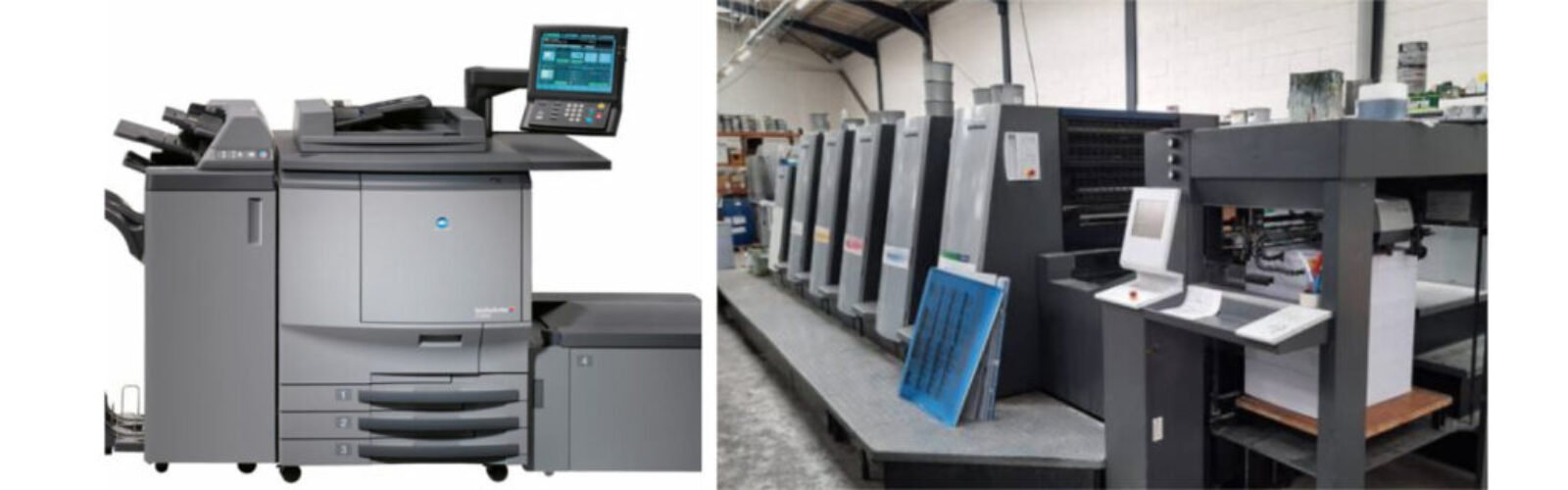
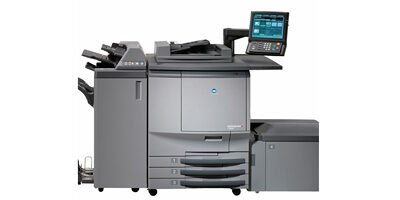
Digital printing is a modern printing method that transfers digital files directly onto paper without the need for printing plates. This process allows documents to move from screen to print with minimal preparation, making it one of the most efficient methods for short-run production.
In digital printing in Uganda, files such as PDFs are sent directly to digital printers, which reproduce the content exactly as designed. This eliminates the need for intermediate processes such as plate creation, allowing for faster turnaround and greater flexibility. Because of this direct workflow, digital printing is particularly suitable for projects that require quick production or frequent updates.
Digital printing is widely used across Uganda for documents that need to be produced in smaller quantities while maintaining professional quality. Organisations such as NGOs, corporate institutions, and training providers rely on this method when preparing materials like training manuals, reports, and internal documents. It allows them to print only what is needed at a given time, reducing waste and improving cost control.
Another key advantage of digital printing is its ability to support variable data. This means that each printed copy can be customised without changing the overall design. For example, personalised documents, certificates, or targeted communication materials can be produced efficiently using this method.
Learn more about our digital-printing services.
What Is Offset Printing
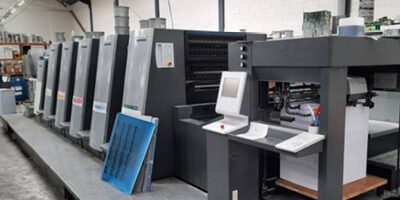
Offset printing is a traditional and highly refined printing method that uses metal plates to transfer ink onto paper. The process involves transferring ink from the plate to a rubber blanket, and then onto the printing surface. This indirect transfer method ensures consistent and high-quality results, especially for large print runs.
In offset printing in Uganda, the setup process requires the creation of plates for each page or colour. While this introduces an initial setup stage, it enables the printer to produce large quantities with remarkable consistency. Once the setup is complete, the printing process becomes highly efficient, making offset printing the preferred choice for bulk production.
Offset printing is widely used for publications that require uniformity across hundreds or thousands of copies. Books, magazines, institutional reports, and large-scale commercial materials are commonly produced using this method. The ability to maintain consistent colour, sharp text, and precise alignment makes it ideal for professional publishing.
Another important advantage of offset printing is its compatibility with a wide range of paper types and finishes. This allows organisations to produce durable and visually refined publications that meet specific branding or institutional standards.
Learn more about our offset-printing services.
Key Differences Digital vs Offset Printing
The difference between digital and offset printing goes beyond the production process. It extends to how each method performs under different conditions, including volume, cost efficiency, turnaround time, and consistency. Digital printing is designed for flexibility. It allows documents to be printed quickly and in small quantities without requiring extensive preparation. This makes it suitable for projects that are dynamic or time-sensitive.
Offset printing, on the other hand, is built for scale. It requires more preparation but delivers superior efficiency and consistency when producing large volumes. Through proper printing methods in Uganda, understanding these differences ensures that organisations select the most appropriate method for their needs. Choosing the wrong method can lead to unnecessary costs or delays, while the right choice enhances both efficiency and output quality.
Cost Comparison
Cost plays a central role in determining which printing method to use. However, the cost structure of digital and offset printing differs significantly, and understanding this difference is essential for making informed decisions. In digital printing in Uganda, there are no setup costs. This makes it highly cost-effective for small print runs. Each unit is printed individually, and the cost per unit remains relatively stable regardless of the number of copies. For organisations printing limited quantities, this approach provides both flexibility and affordability.
In contrast, offset printing in Uganda involves an initial setup cost due to the creation of printing plates. While this may appear expensive at the beginning, the cost per unit decreases significantly as the volume increases. For large-scale projects, this results in substantial cost savings over time. For organisations planning bulk printing, offset printing offers better long-term value. For smaller or one-time projects, digital printing remains the more economical choice.
Print Quality and Consistency
Print quality is one of the most important considerations in any printing project. Both digital and offset printing produce high-quality results, but they differ in how that quality is maintained across multiple copies. Offset printing is known for its exceptional consistency. Because the process is standardised once the plates are created, each copy is nearly identical to the next. This makes it ideal for publications such as books and institutional documents where uniformity is critical.
Digital printing also produces high-quality output, especially for short runs. However, slight variations may occur in large batches due to the nature of the printing process. While these differences are often minimal, they can become noticeable in high-volume production. Through professional commercial printing in Uganda, both methods can achieve excellent results when used in the right context. The key is to match the printing method with the project requirements.
Turnaround Time
Turnaround time is a crucial factor, especially for projects with tight deadlines. The speed of production can determine whether a printing method is suitable for a particular project. Digital printing offers faster turnaround because it eliminates the need for plate setup. Once the file is ready, printing can begin almost immediately. This makes it ideal for urgent projects, last-minute updates, or on-demand printing needs.
Offset printing, while slower to start due to setup requirements, becomes highly efficient once production begins. It is capable of producing large volumes within a structured timeline, making it suitable for planned projects with defined schedules. For organisations that prioritise speed and flexibility, digital printing is often the preferred option. For those focused on large-scale production, offset printing provides reliable and consistent output.
Volume and Scalability
The scale of a printing project is one of the most decisive factors when choosing between digital and offset printing. Digital printing is best suited for small quantities and projects that require flexibility. It allows organisations to print only what is needed, reducing storage and waste. This is particularly useful for documents that are frequently updated or customised. Offset printing is designed for large volumes. Once the setup is complete, it becomes highly efficient for producing thousands of copies. This makes it the preferred method for large-scale distribution, such as textbooks, policy documents, and commercial publications.
In book printing in Uganda, this distinction is particularly important. Short-run books are often produced digitally, while large print runs are handled through offset printing to ensure cost efficiency and consistency.
Material Flexibility
The type of material used in printing affects both the durability and appearance of the final product. Offset printing offers greater flexibility in this area, supporting a wide range of paper types, finishes, and textures. Digital printing also supports various materials, but its compatibility may depend on the specific equipment used. While it performs well for standard paper types, it may have limitations when working with specialised materials.
Through professional printing services in Uganda, selecting the right material ensures that the final product meets both functional and aesthetic requirements. For high-end publications, offset printing often provides more options, while digital printing remains suitable for standard applications.
Use Cases in Uganda
In Uganda, the choice between digital and offset printing is influenced by the nature of the project and the needs of the organisation. NGOs frequently use digital printing for training manuals, workshop materials, and reports. This allows them to produce documents in manageable quantities and update content as needed. Government institutions often rely on offset printing for policy documents, textbooks, and large-scale publications that require consistency and durability.
Corporate organisations use a combination of both methods. Digital printing supports internal documents and short-run materials, while offset printing is used for marketing campaigns and bulk production.
When to Choose Digital Printing
Digital printing is the best choice when speed, flexibility, and low volume are the primary considerations. It is particularly useful for projects that require quick turnaround or frequent updates. Through digital printing in Uganda, organisations can produce documents efficiently without committing to large quantities. This makes it ideal for dynamic environments where content changes regularly.
Corporate organisations use a combination of both methods. Digital printing supports internal documents and short-run materials, while offset printing is used for marketing campaigns and bulk production.
When to Choose Offset Printing
Offset printing is the preferred option for large-scale production where consistency and cost efficiency are essential. It is ideal for projects that require high volumes and uniform quality. Through offset printing in Uganda, organisations can achieve professional results that are consistent across all copies. This makes it suitable for books, magazines, and institutional publications.
Common Mistakes When Choosing Printing Methods
One of the most common mistakes organisations make is selecting a printing method based solely on initial cost without considering the overall project requirements. This can result in higher long-term expenses or unsuitable output. In printing methods in Uganda, failing to match the method with the volume and purpose of the project often leads to inefficiencies. For example, using digital printing for large volumes can increase costs, while using offset printing for small runs may result in unnecessary setup expenses. Proper planning and professional guidance help organisations avoid these mistakes and achieve optimal results.
How Njagi Creative Supports Your Printing Decisions
Njagi Creative provides structured support to help clients choose the most suitable printing method for their projects. By combining desktop publishing in Uganda with production expertise, documents are prepared and aligned with the appropriate printing approach. This ensures that each project meets professional standards in terms of quality, cost efficiency, and usability for digital or offset printing, the focus remains on delivering results that are consistent and reliable.
Explore our commercial printing services.

About the Author Nsenga Peter Daniel
Nsenga Peter Daniel is a desktop publishing consultant with over 20 years of experience in printing systems, book layout design, and institutional document preparation in Uganda. Through Njagi Creative, he has worked on books, manuals, reports, and institutional publications, helping organisations improve clarity, structure, and print quality. His expertise in typography, layout, and document formatting supports clients in producing professional and print-ready materials. Follow on Linkedin.
Frequently Asked Questions About Digital vs Offset Printing in Uganda
What is the main difference between digital and offset printing?
The main difference between digital vs offset printing in Uganda lies in how the printing process is carried out. Digital printing transfers files directly onto paper without the use of plates, making it faster and more flexible. Offset printing, on the other hand, uses metal plates to produce consistent and high-quality results for large volumes.
In practical terms, digital printing is best suited for short runs and quick jobs, while offset printing is more efficient for bulk production. Understanding this distinction helps organisations choose the most appropriate method based on their needs.
Which printing method is cheaper in Uganda?
Which is better for book printing in Uganda?
Is digital printing good quality for professional documents?
When should I choose digital printing over offset printing?
When is offset printing the best option?
Can I combine digital and offset printing in one project?
Which printing method is faster?
Does paper choice affect digital and offset printing?
How do I choose the right printing method for my project?
Digital or Offset Printing with Njagi Creative
Need help choosing the right printing method for your project Share your requirements and get professional guidance tailored to your publication.
For global standards and best practices in document preparation and printing, Explore Adobe Creative Guide or ISO Standards