
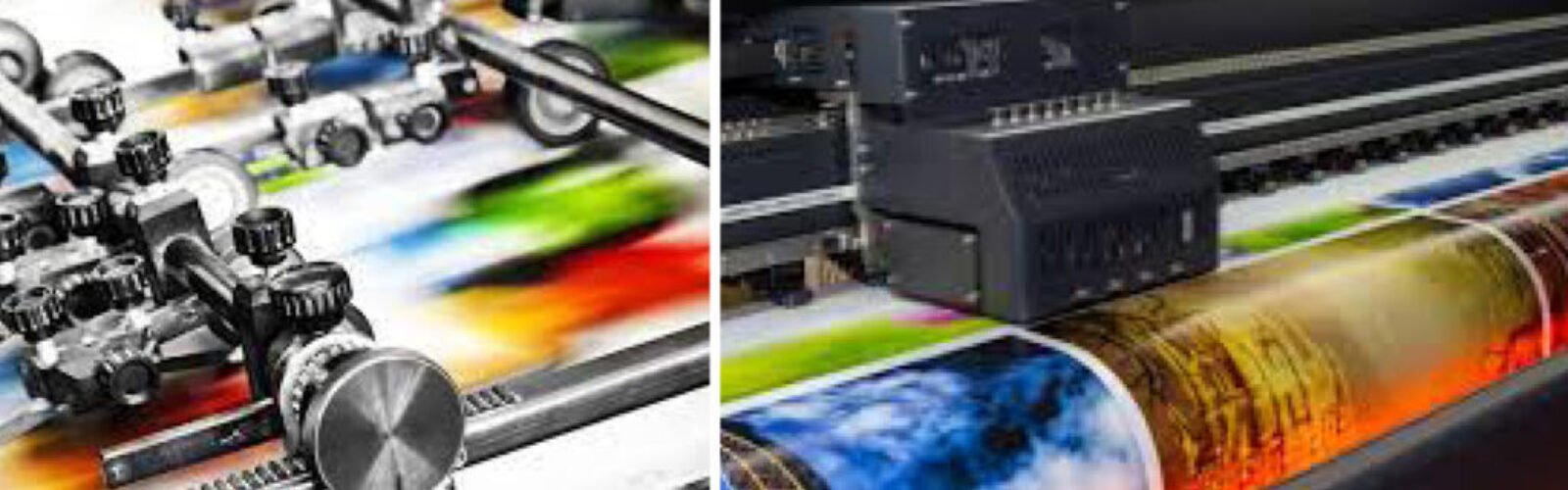
Home » Insights » Pre-Press & File Preparation » Common Printing Mistakes
Common Printing Mistakes in Uganda: A Complete Guide to Avoid Costly Errors

Printing is often seen as the final step in document production, but in reality, it is the stage where all previous decisions are tested. Mistakes made during content preparation, formatting, or file setup often become visible only after printing, when correction is expensive and sometimes impossible.
Understanding common printing mistakes in Uganda is essential for organisations, authors, and businesses that rely on printed materials for communication. Whether you are producing books, manuals, reports, or marketing materials, avoiding these mistakes ensures that your document is clear, professional, and cost-effective.
Before printing, it is important to understand proper file preparation.
Why Printing Mistakes Are Costly
Printing errors are not just technical issues. They carry real financial and operational consequences that can affect entire projects. Once a document is printed incorrectly, correcting it often requires reprinting, which increases costs, delays timelines, and may disrupt distribution plans, especially for time-sensitive publications such as reports, manuals, or institutional documents.
In printing services in Uganda, many of these mistakes originate from poor preparation rather than the printing process itself. Issues such as incorrect file setup, missing bleed, or low-quality images are often only discovered after printing, when correction becomes expensive. Identifying and addressing these issues early in the workflow saves both time and resources. It also ensures that documents meet professional standards from the first print run, reducing waste and improving efficiency.
For global printing standards and best practices, refer to https://www.iso.org/standards.html.
Incorrect Document Size
One of the most common printing file mistakes is setting the wrong document size at the beginning of the design process. If the page size does not match the intended print format, content may be cut off, stretched, or misaligned during production.
This issue is particularly common when documents are prepared using default settings rather than defined print specifications. Even small discrepancies in size can affect trimming accuracy and overall presentation. Proper document setup ensures that the final printed size matches expectations and aligns with production requirements. Establishing the correct dimensions early helps maintain consistency throughout the document and prevents costly adjustments later.
Missing Bleed
Bleed is essential for documents where images or background colours extend to the edge of the page. Without bleed, slight variations during trimming can result in visible white borders, which reduce the professional appearance of the final product.
In prepress mistakes in Uganda, missing bleed is a frequent issue that affects brochures, covers, and any design with full-page visuals. This often occurs when documents are prepared without considering how they will be trimmed after printing. Adding proper bleed ensures that content extends beyond the trim edge, allowing for clean and accurate finishing.
Learn more about print ready pdf for printing in Uganda.
Poor Margin Setup
Margins define the safe area where important content should be placed. When margins are too small, text and images risk being cut off during trimming or binding. In document formatting errors in printing, poor margin setup not only affects readability but also disrupts the visual balance of the page. Text placed too close to the edge can appear cramped and difficult to read. Proper margin planning ensures that documents are both readable and professionally structured. It also accommodates binding requirements, especially for books and manuals.
Low-Resolution Images
Images that appear clear on a screen may not print well if they are low resolution. When printed, such images often appear blurry, pixelated, or lacking detail, which reduces the overall quality of the document.
In printing errors in Uganda, image quality is one of the most common factors affecting print output. This is particularly important for publications that rely heavily on visuals, such as reports, brochures, and manuals. Using properly prepared, high-resolution images ensures that printed materials appear sharp, clear, and professional.
Unembedded Fonts
Fonts must be embedded in the file to ensure that they display correctly during printing. If fonts are not embedded, the printing system may substitute them with default fonts, which can alter layout, spacing, and overall design.
In book printing mistakes in Uganda, font substitution can significantly affect readability and consistency, especially in long documents with structured formatting. Embedding fonts ensures that the document maintains its intended appearance regardless of the system used for printing.
Incorrect Colour Settings
Colour discrepancies occur when files are not prepared correctly for printing. Colours that appear vibrant on screen may print differently if the file settings are not aligned with printing requirements. In printing services in Uganda mistakes, incorrect colour setup can affect branding, especially for organisations that rely on consistent visual identity. Variations in colour can make printed materials look unprofessional or inconsistent. Proper colour preparation ensures that the final printed output closely matches the intended design.
Overcrowded Layout
Poor layout design can make documents difficult to read and visually overwhelming. Overcrowded pages with too much text or poorly spaced elements reduce clarity and make it harder for readers to engage with the content.
In document formatting errors in printing, effective layout involves proper spacing, alignment, and hierarchy. These elements guide the reader and improve overall readability. A well-structured layout enhances both usability and visual appeal, making the document more effective.
Wrong Paper Selection
Choosing the wrong paper affects not only the appearance of a document but also its durability and usability. Paper that is too thin may allow ink to show through, while paper that is too thick may increase costs unnecessarily. In printing, paper selection must align with the purpose of the document. Books, manuals, and marketing materials all require different paper characteristics.
Learn more about the best paper for book printing Uganda.
Ignoring GSM and Paper Quality
Paper weight, measured as GSM, influences how a document feels and performs. Incorrect GSM selection can lead to transparency issues, excessive weight, or reduced durability. In professional printing, GSM must be selected based on the type of document and its intended use. Choosing the wrong GSM can compromise both functionality and cost efficiency.
Explore the paper gsm explained in printing.
Choosing the Wrong Printing Method
Selecting the wrong printing method can affect both quality and cost. Digital printing and offset printing serve different purposes, and choosing incorrectly may result in inefficient production or inconsistent results. Understanding the strengths of each method ensures that the chosen approach aligns with the project requirements.
Skipping Pre-Press Checks
Failing to review files before printing significantly increases the likelihood of errors. Pre-press validation is a critical step that ensures all elements are correctly prepared. This includes checking margins, bleed, image quality, and file structure. Skipping this step often leads to avoidable mistakes that could have been corrected before printing.
Lack of Professional Support
Many organisations attempt to manage printing internally without specialised expertise, leading to avoidable mistakes. While this may seem cost-effective initially, it often results in higher costs due to errors and reprints. Professional desktop publishing in Uganda ensures that documents are properly structured, formatted, and prepared for printing. This reduces risk and improves overall quality.
Explore our desktop publishing services.
How to Avoid Printing Mistakes
Avoiding printing errors requires a structured approach that includes proper document setup, formatting, file validation, and material selection. Each stage of the process must be carefully managed to ensure consistency and accuracy. Working with experienced professionals ensures that documents are prepared correctly from the start, reducing the likelihood of errors and improving production efficiency.

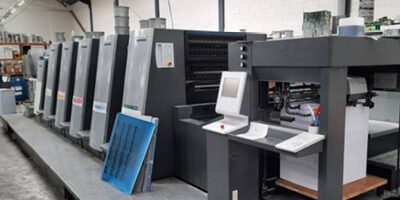
How Njagi Creative Helps You Avoid Printing Errors
Njagi Creative provides end-to-end support for document preparation and printing. By combining layout expertise, pre-press validation, and production planning, we help clients avoid costly mistakes and achieve professional results. Our structured workflow ensures that every document meets technical requirements before printing begins, reducing delays and ensuring consistent quality.
Explore our editorial prepress services

About the Author Nsenga Peter Daniel
Nsenga Peter Daniel is a desktop publishing consultant with over 20 years of experience in printing systems, book layout design, and institutional document preparation in Uganda. Through Njagi Creative, he has worked on books, manuals, reports, and institutional publications, helping organisations improve clarity, structure, and print quality. His expertise in typography, layout, and document formatting supports clients in producing professional and print-ready materials. Follow on Linkedin.
Frequently Asked Questions about Common Printing Mistakes in Uganda
What are the most common printing mistakes
The most common printing mistakes include incorrect document size, missing bleed, poor margin setup, low-resolution images, and unembedded fonts. These issues often occur during file preparation and can significantly affect the final print quality, leading to misalignment, poor readability, or unprofessional results.
Why do printing errors happen
Can printing mistakes be corrected
How can I avoid printing mistakes
Do printing mistakes affect cost
Need help preparing your document for printing, please share your project details and get professional support.